Antibacterial Activity of Silver Nanoparticles Pdf
The antibacterial study of TiO 2 nanoparticles was examined by gram-positive and gram-negative bacteria. The low rate of resistance development against NPs because of its multiple mode of action has contributed to its increased acceptance in clinical.
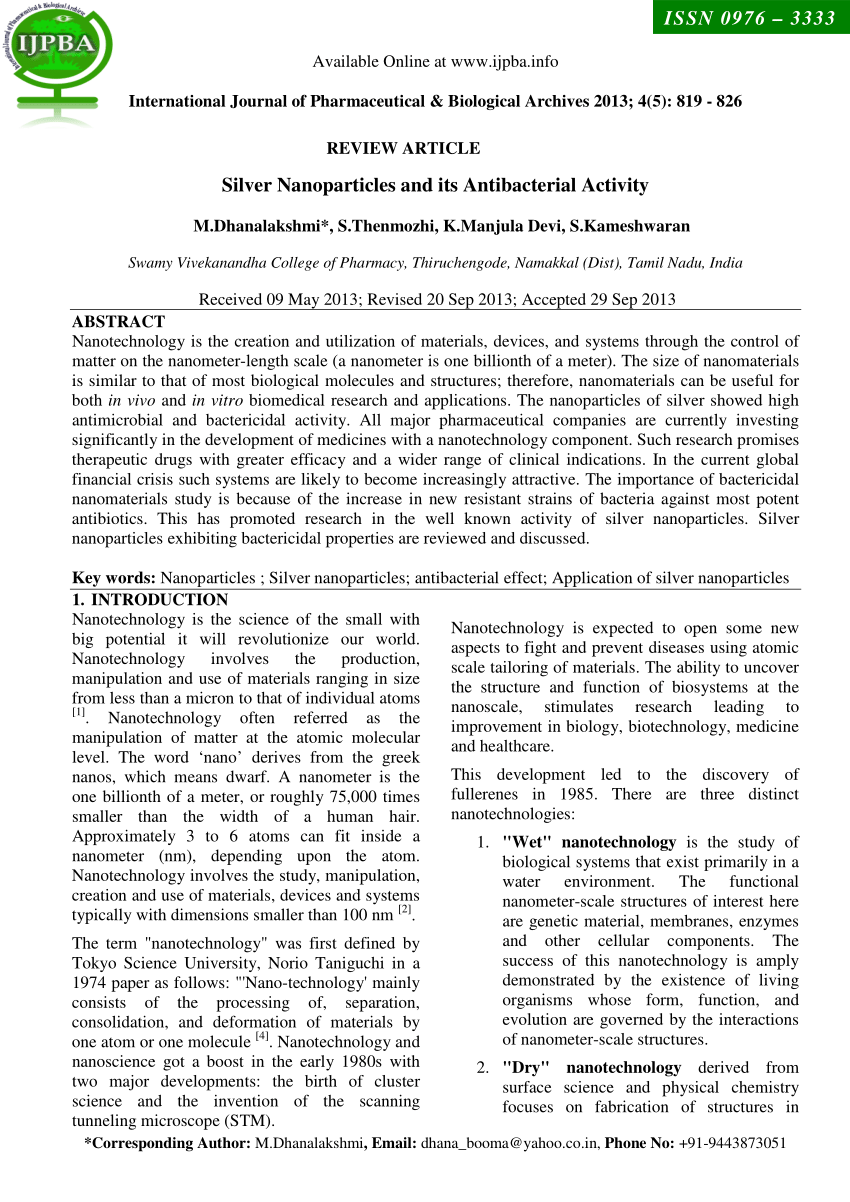
Pdf Silver Nanoparticles And Its Antibacterial Activity
Alvarez Negligible particle-specific antibacterial activity of silver nanoparticles.
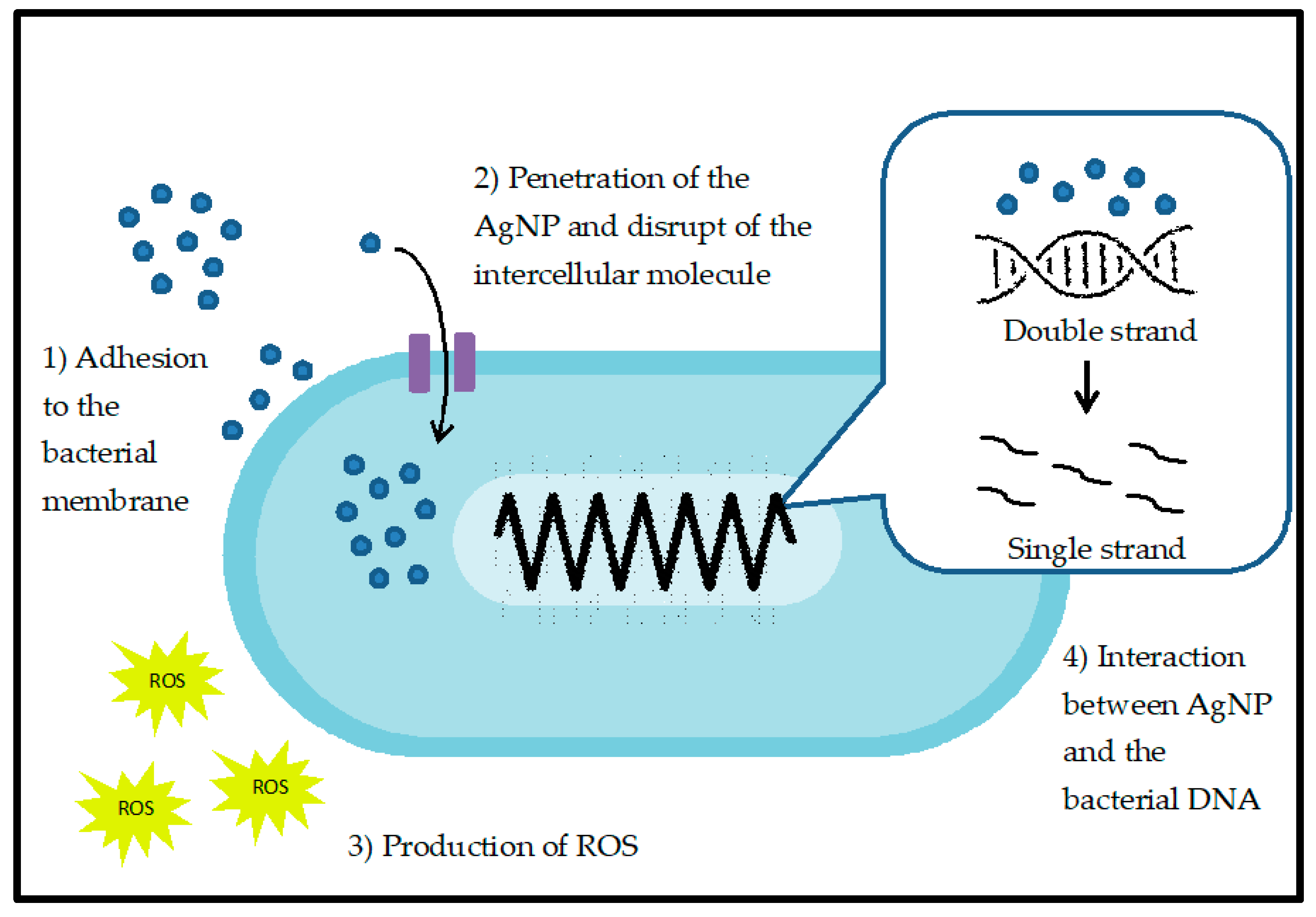
. A 2013 study suggested that it is possible to alter particle size and activity of extracellular biogenic nanoparticles via controlled expression of the genes encoding surface proteins. The journal welcomes submission from scholars and experts for possible publication from all over the world. Green synthesis and characterization of silver nanoparticles using Fritillaria flower extract and their antibacterial activity against some human pathogens Polyhedron 158 2019 pp.
The silver nanoparticles were characterized by Atomic Force Microscopy AFM for its detail size and morphology of silver. Log in to. Download this article as a PDF file.
Silver nanoparticles boost charge-extraction efficiency in Shewanella microbial fuel cells. Please use one of the following formats to cite this article in your essay paper or report. Antibacterial and Antibiofilm Photodynamic Activities of Lysozyme-Au NanoclustersRose Bengal Conjugates.
Protein-Supported RuO2 Nanoparticles with Improved Catalytic Activity In Vitro Salt Resistance and. One of the promising ways to overcome microbial resistance to antibiotics is the use of metal nanoparticles and their oxides. Silver nanoparticles AgNPs hold great promise to address the challenges in multidrug resistance in bacteria.
A bactericide or bacteriocide sometimes abbreviated Bcidal is a substance which kills bacteriaBactericides are disinfectants antiseptics or antibiotics. The topographical images of irregular silver nanoparticles synthesized by natural plants extract are shown in Fig 3The particle size of the silver nanoparticles was found to be 28 nm 265 nm 65 nm 223 nm and 284 nm. The scope of the journal includes.
Stabilized silver nanoparticles 004 wt were used in PHBV to produce a. Synthesis of metal nanoparticles using plant extracts is one of the most simple convenient economical and environmentally friendly methods that mitigate the involvement of toxic chemicals. Card no JCPDS PDF no 36-1451 as.
An important example is the synthesis of silver nanoparticle by S. The cell wall of the gram-negative bacteria is composed of thin peptidoglycan and a thick layer of peptidoglycan in gram-positive bacteria. This review briefly summarizes the current understanding of antibacterial mechanisms of AgNPs and how surface chemistry size and shape impact their potencies which are expected to help further development of AgNP-based.
The development of antibiotic resistance of bacteria is one of the most pressing problems in world health care. A peer-reviewed open access online international journal which publishes original research papers. Hence in recent years several eco-friendly processes for the rapid synthesis of silver nanoparticles have been reported us 2021 Reviews in RSC Advances Chemistry in the battle.
Antibacterial activity of ZnO nanoparticle on gram-positive and. Pharmaceutical research chemistry and biochemistry of naturally occurring compounds biological evaluation of crude extracts. Oneidensis where its antibacterial activity can be influenced by the expression of outer.
Silk Fibroin-Confined Star-Shaped Decahedral Silver Nanoparticles as Fluorescent Probe for Detection of Cu2 and Pyrophosphate. Nowadays a variety of inorganic nanoparticles with well-defined chemical composition size and morphology have been synthesized by using different microorganisms and their applications in many cutting-edge. The development of eco-friendly technologies in material synthesis is of considerable importance to expand their biological applications.
Figure 6a b shows anti bacterial activity of titanium dioxide nanoparticles. The contributions are cutting edge high-impact authoritative and. 8 - 14 Article Download PDF View Record in Scopus Google Scholar.
Nanotechnology and nanoparticles NPs have increasingly been studied as an alternative for antibiotics because of the feasibility to be used in implantable devices both for bacterial detection and infection prevention. In particular numerous studies have shown the high antibacterial potential of zinc oxide nanoparticles ZnO-NP in relation to gram. Here the authors report on the addition of silver-Lignin nanoparticles as a dynamic catechol redox system to maintain catecholquinone balance making a.
Objective Green Processing and Synthesis is an open access single-blind peer-reviewed journal that provides up-to-date research both on fundamental as well as applied aspects of innovative green process development and chemical synthesis giving an appropriate share to industrial views. However material surfaces can also have bactericidal properties based solely on their physical surface structure as for example biomaterials like insect wings.
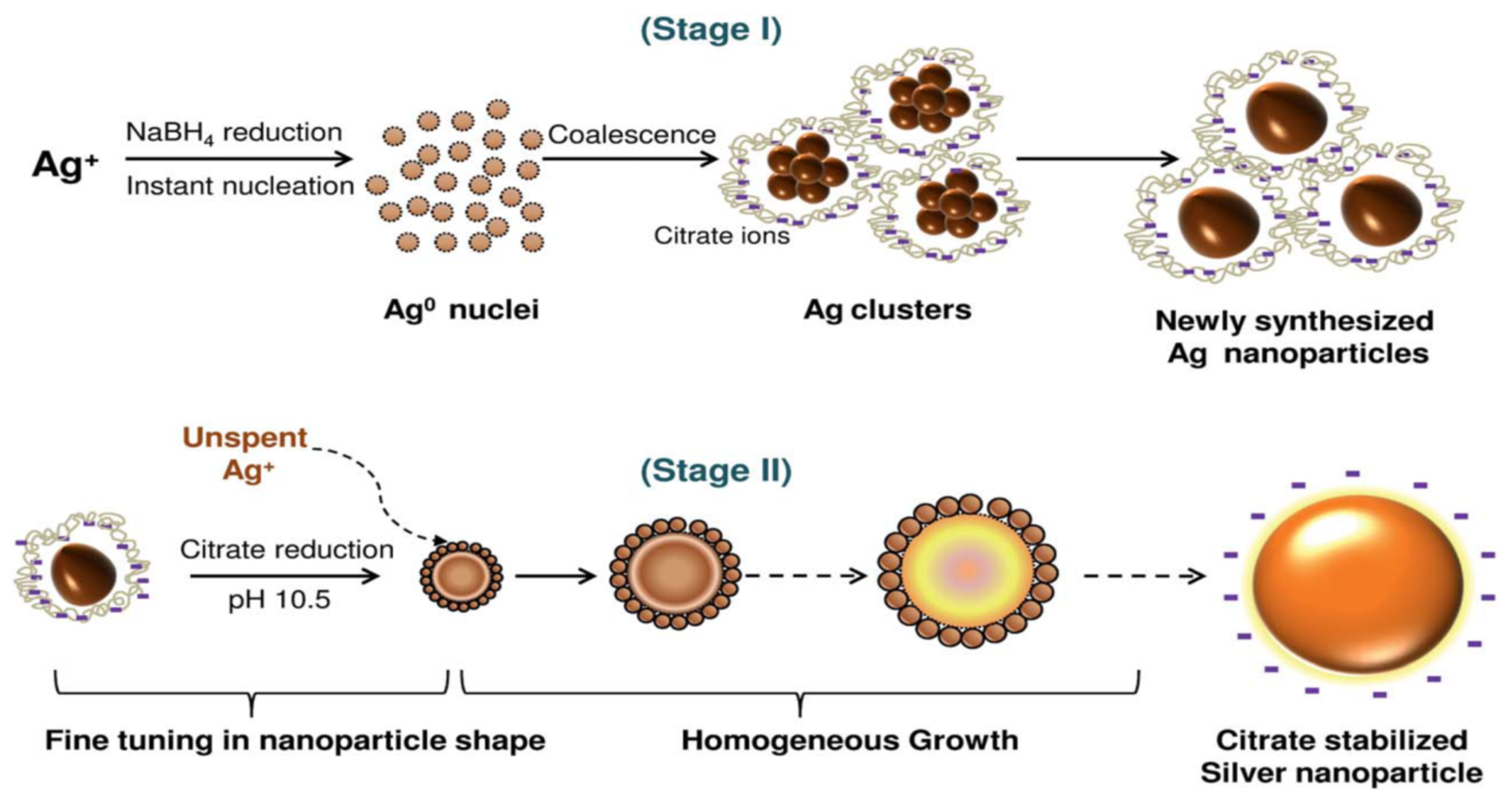
Ijms Free Full Text Bactericidal And Cytotoxic Properties Of Silver Nanoparticles Html
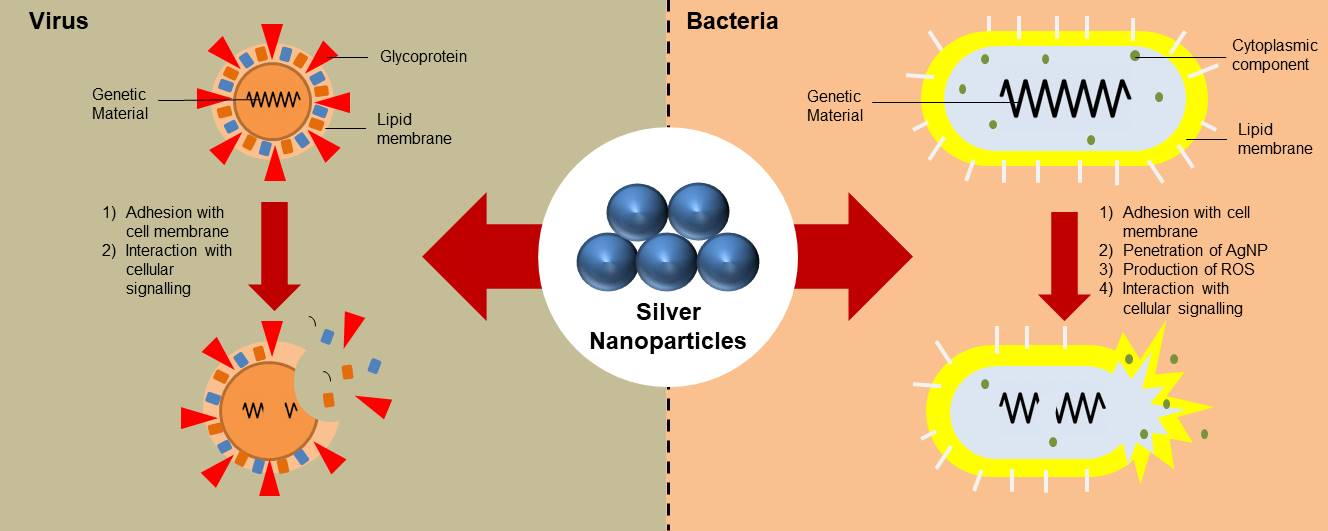
Nanomaterials Free Full Text The Potential Of Silver Nanoparticles For Antiviral And Antibacterial Applications A Mechanism Of Action Html
Nanomaterials Free Full Text The Potential Of Silver Nanoparticles For Antiviral And Antibacterial Applications A Mechanism Of Action Html
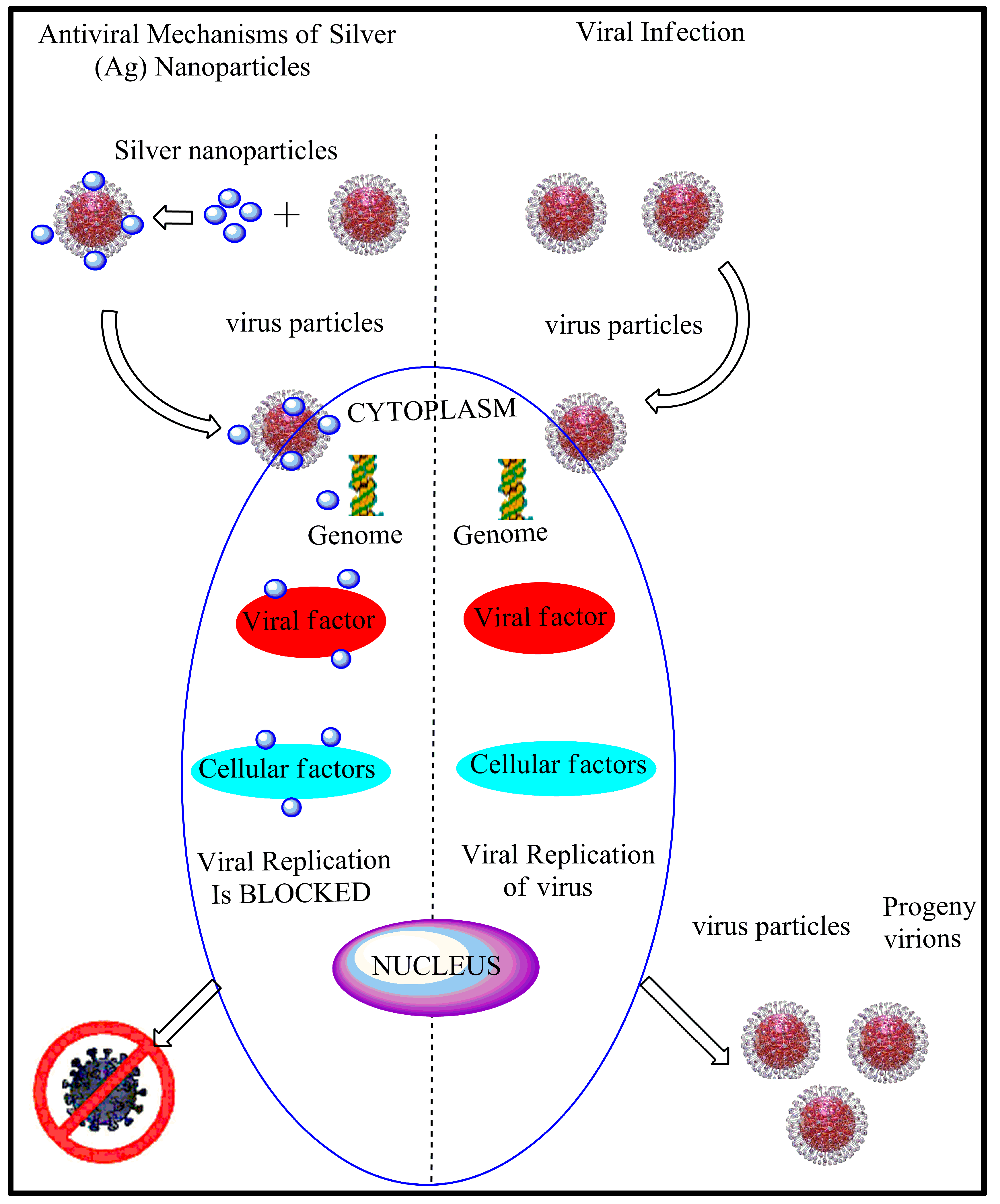
Nanomaterials Free Full Text The Potential Of Silver Nanoparticles For Antiviral And Antibacterial Applications A Mechanism Of Action Html
No comments for "Antibacterial Activity of Silver Nanoparticles Pdf"
Post a Comment